Engineering,
taken apart.
Physically correct 3D animations of the mechanisms, fields and maths that make machines work. Audio in English, Spanish, Russian and Portuguese.
Latest
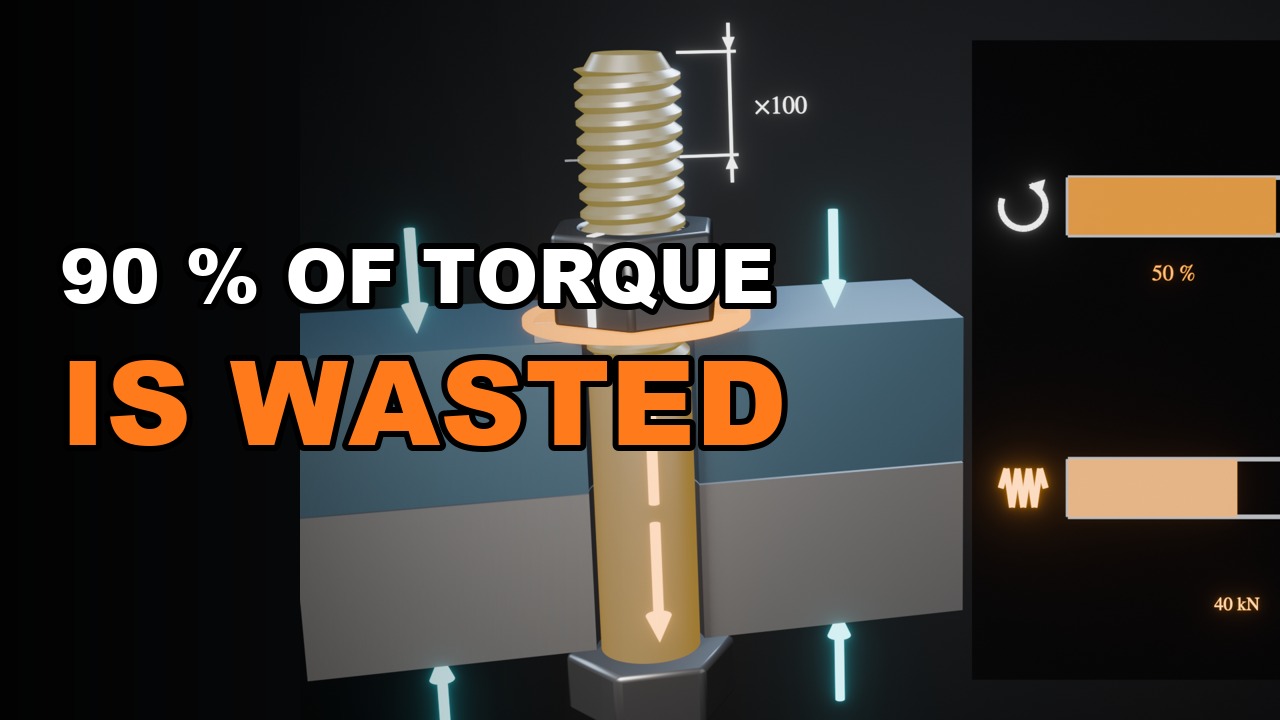
Bolt Preload, Completely: Torque, Friction, Joint Diagrams and Fatigue
Everything a bolted joint is doing, with numbers. Stiffness from Hooke's law, the joint as two springs, the joint diagram, the load split that keeps a preloaded bolt out of fatigue, separation and prying, and then the tightening side: where torque goes, the nut factor, scatter, oil, angle tightening, torque to yield and direct measurement.
Coming soon on YouTube →Deep Dives
Motors & Actuators
 2 min
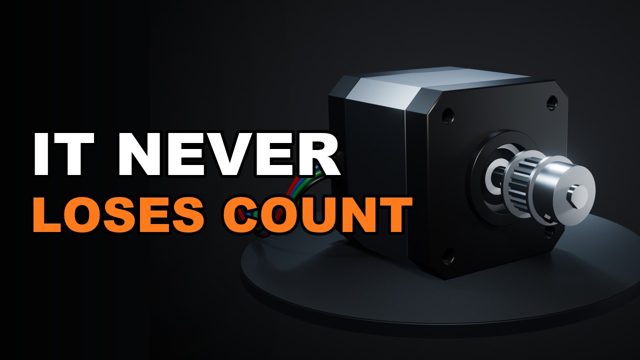
How a Stepper Motor Works (The Motor That Never Loses Count)
A stepper motor turns in exact, repeatable steps without any sensor telling it where it is.
 2 min
How a Servo Motor Works (The Motor That Fixes Its Own Mistakes)
A servo motor is an ordinary motor plus a sensor and a controller that keep correcting it.
 2 min
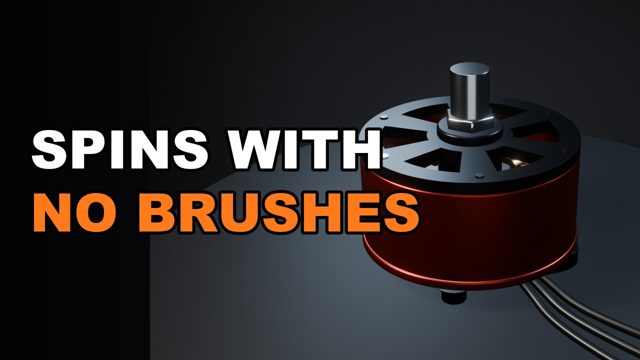
How a Brushless Motor Works (Spinning With No Brushes at All)
No brushes, no commutator, and yet it spins.
 2 min
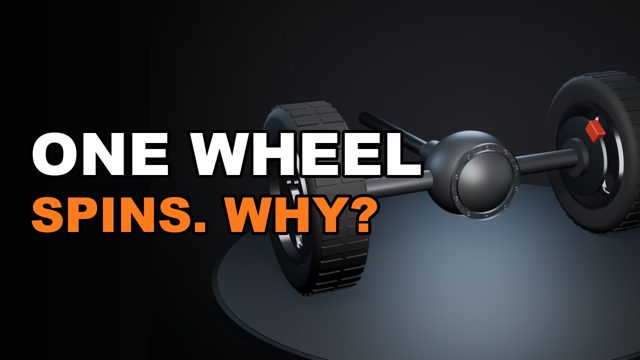
How a Differential Works (Why Your Wheels Can Spin at Different Speeds)
In a corner, the outside wheel travels further than the inside one.
 2 min
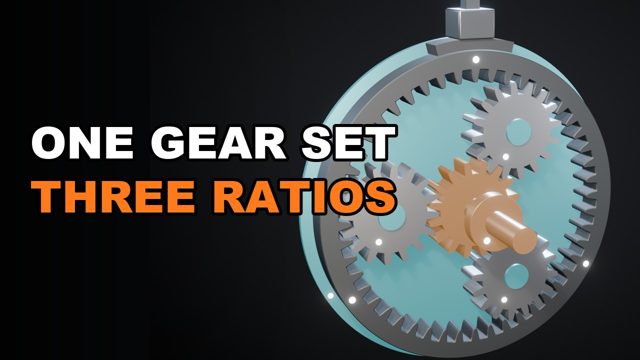
How a Planetary Gearbox Works (Three Ways to Use One Gear Set)
A sun gear, three planets, a ring and a carrier: a planetary gearbox packs a large ratio into a small, coaxial package and shares the load across several teeth at once.
 2 min
Back EMF: Why a Stalled Motor Burns Out
A spinning motor is also a generator.
Mechanical Design
 2 min
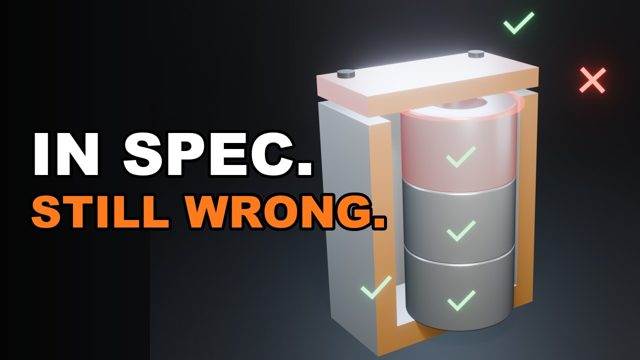
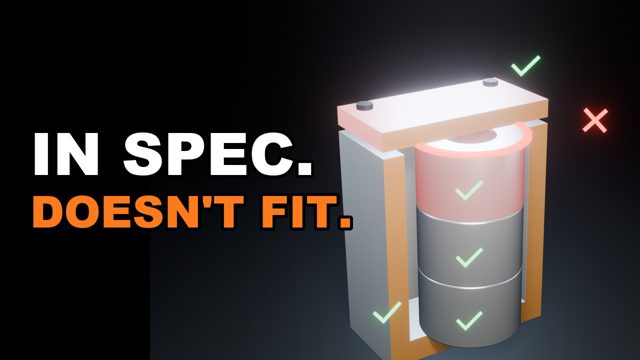
Why Parts That Pass Inspection Still Don't Fit (Tolerance Stack-Up)
Every part passed inspection, every dimension is within tolerance, and the lid still won't close.
 2 min
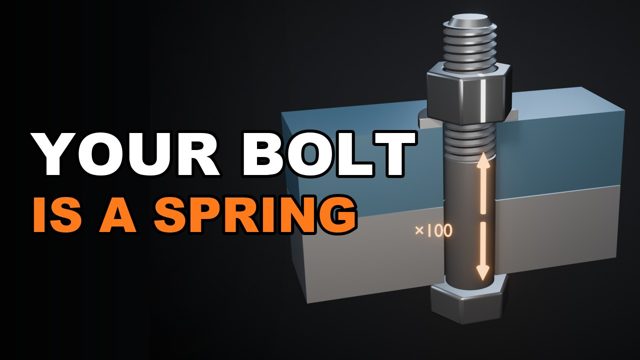
Bolts Are Springs: Why Preload Matters More Than Torque
A bolt holds a joint together because it is stretched, like a spring.
 2 min
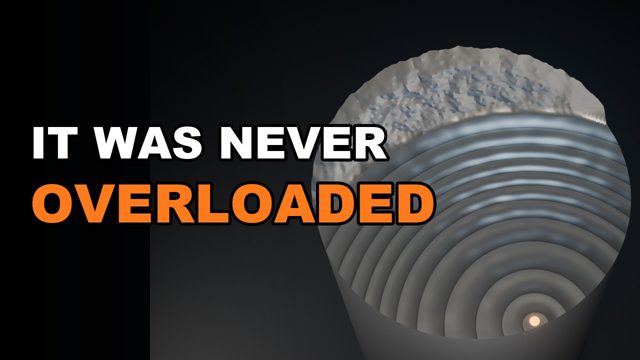
How Metal Breaks Without Being Overloaded (Fatigue Explained)
A part can carry a load a million times and then break under a load it carried a million times before.
 2 min
Small Forces, Big Motion: How Resonance Breaks Things
Push a swing at the right moment and a small push builds a big motion.
 2 min
Creepage vs Clearance: The Two Distances That Stop Electricity Jumping
Two distances decide whether a circuit board is safe at high voltage: clearance, the shortest path through the air, and creepage, the shortest path along the surface.
 2 min
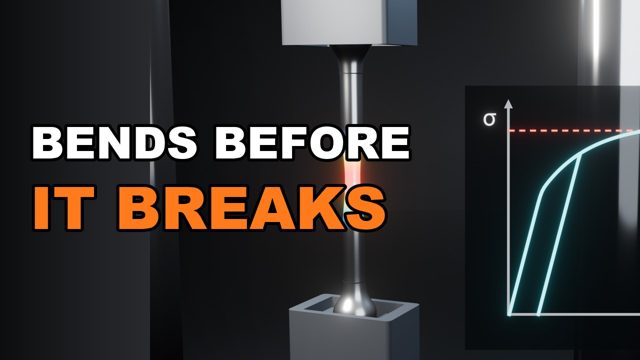
Stress vs Strain: Why Steel Bends Before It Breaks
Pull a steel bar and plot force against stretch.
 2 min
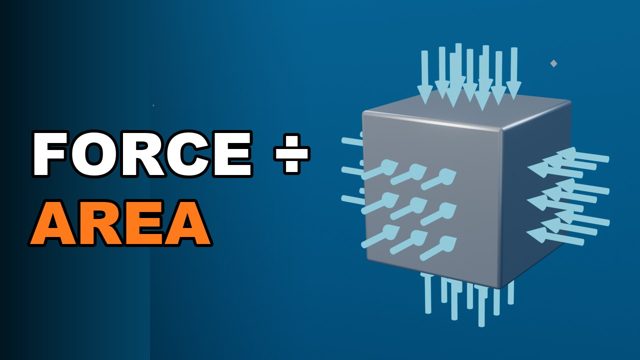
Pressure: Why Force Alone Doesn't Tell You If Something Breaks
Push a nail head-first and it won't go in.
Electromagnetism
 2 min
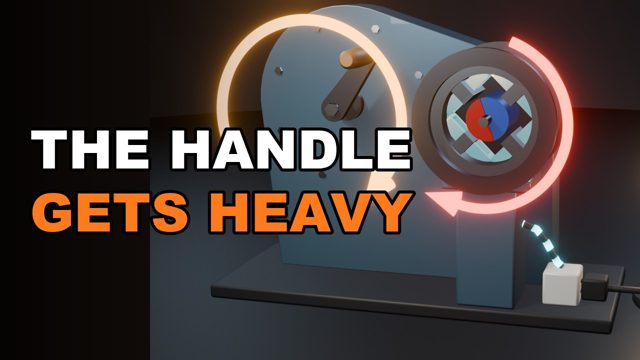
How Eddy Current Brakes Work (Stopping a Train Without Touching It)
A magnet near a spinning copper disc slows it down without touching it.
 2 min
Lenz's Law: Why Nature Fights Every Change in Magnetism
Drop a magnet through a copper tube and it falls in slow motion.
 2 min
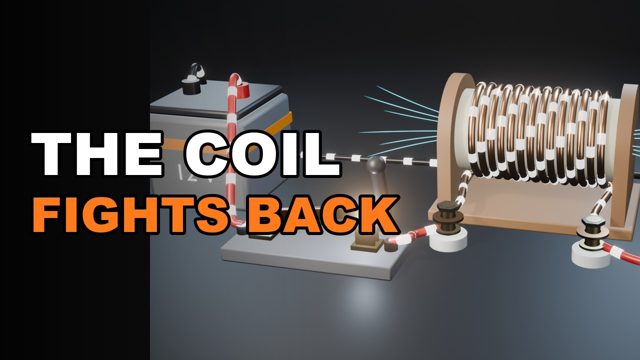
How an Inductor Works (The Coil That Fights Every Change in Current)
A coil resists any change in the current through it.
 2 min
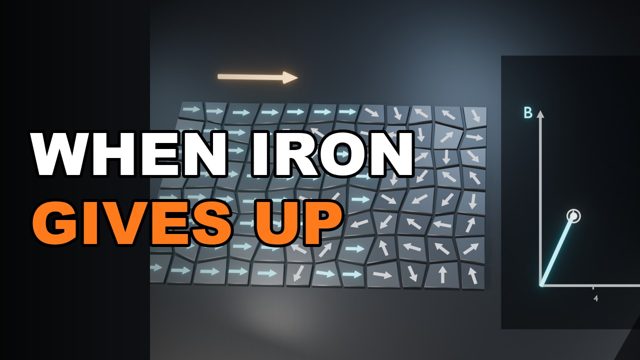
Magnetic Saturation: Why Iron Gives Up (and Transformers Hum)
An iron core multiplies the field of a coil, until it can't.
 2 min
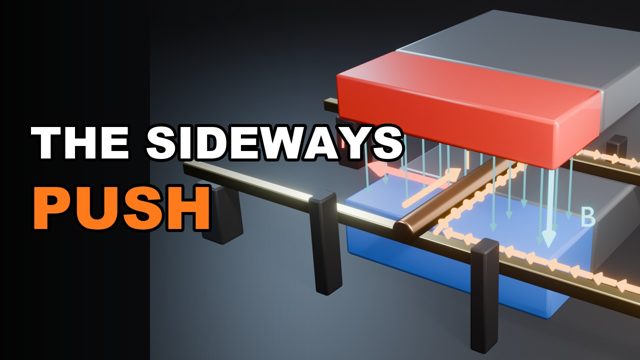
The Lorentz Force: The Sideways Push Behind Every Electric Motor
A current in a magnetic field feels a force at right angles to both.
 2 min
Magnetic Reluctance: Ohm's Law for Magnets
Magnetic flux takes the easy path, and iron is a thousand times easier than air.
 2 min
Capacitance: How a Capacitor Stores Charge (and Why It Blocks DC)
Two plates, a gap, and a charge that wants to get across.
 3 min
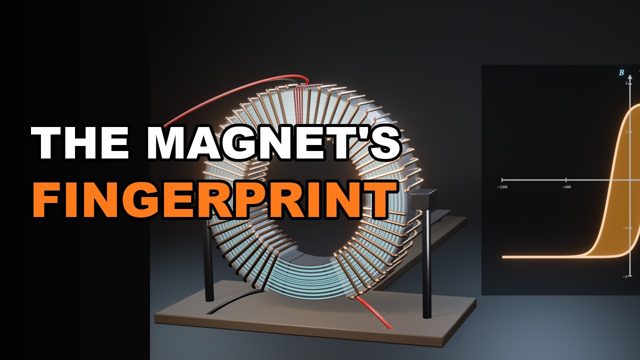
The B–H Curve: What Permeability Really Means
Magnetise a piece of iron, remove the field, and some magnetism stays.
Math for Engineers
 2 min
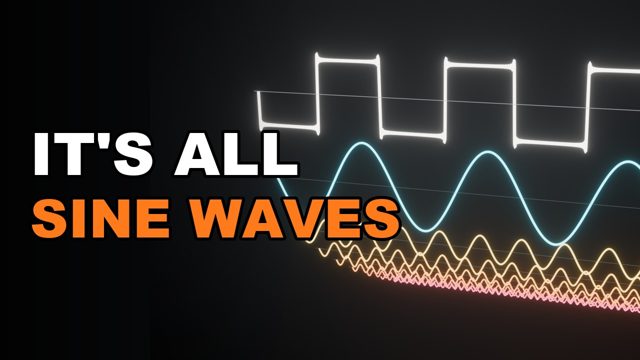
Fourier Series: Any Wave Is Just Sine Waves Added Up
Any repeating signal, however jagged, is a sum of smooth sine waves.
 2 min
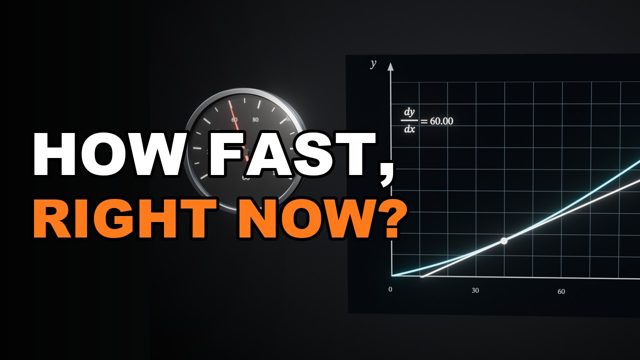
The Derivative: How Fast Is It Changing Right Now?
The derivative is a rate: how fast something changes right now.
 2 min
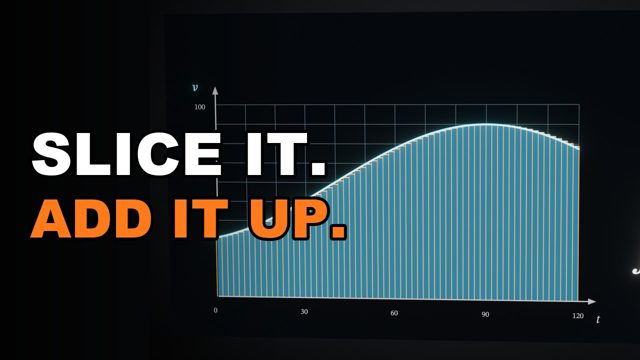
The Integral: Adding Up Infinitely Many Slices
An integral adds up infinitely many tiny pieces.
 3 min
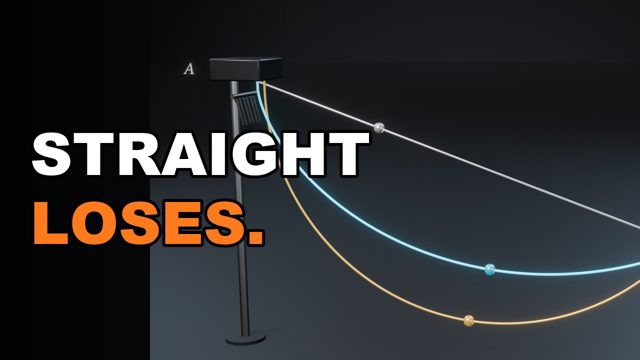
The Brachistochrone: Why the Fastest Path Isn't a Straight Line
Which ramp gets a bead from A to B fastest? Not the straight one.
 2 min
How a Neural Network Learns: Weighted Sums, Errors and Tiny Nudges
A neural network is a pile of weighted sums with a squash after each one.